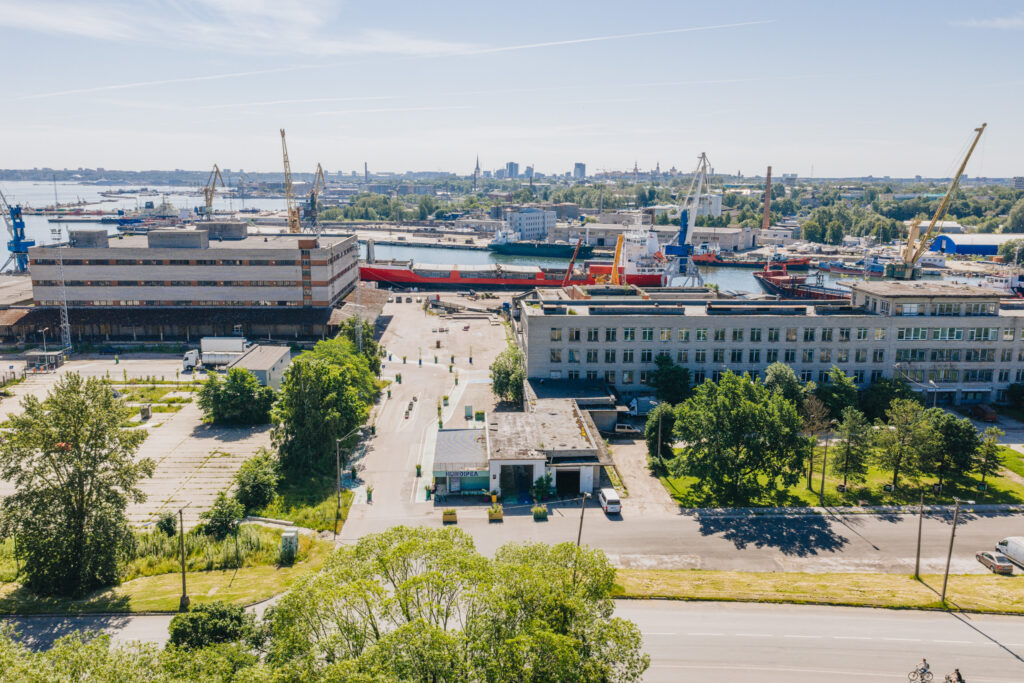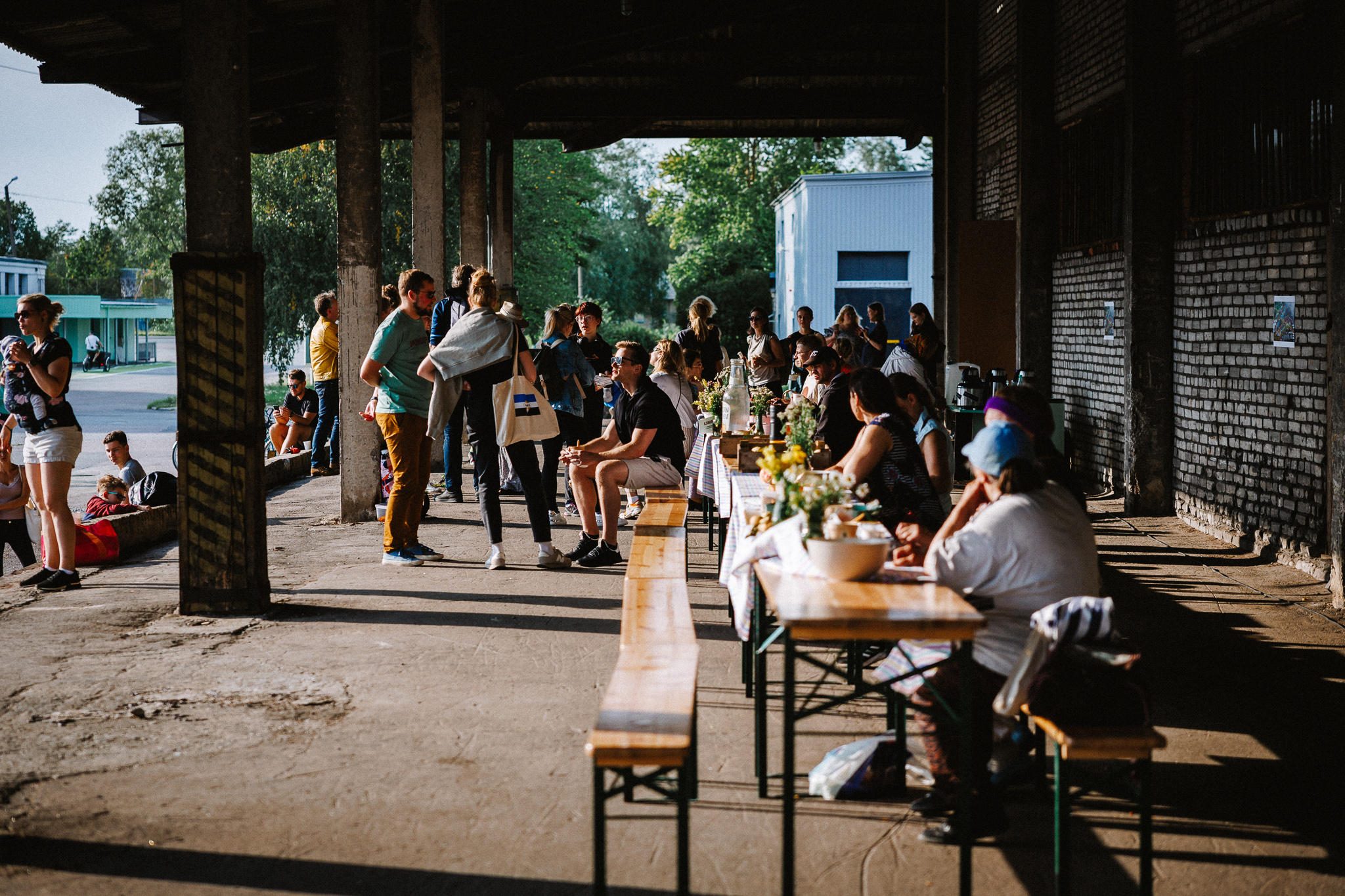
We wrote a neighbourhood playbook. The plan was simple: write a 30-page guide to help keep Hundipea’s long and complex development process focused on what really matters – the social and everyday qualities that make a neighbourhood work. We brought in two neighbourhood experts and got to work.
The result is a 130-page playbook. Download it here.
Why a playbook?
In long development processes, it is easy to lose sight of social and cultural goals. Buildings and streets stay in focus – they are measurable and can be written into contracts. But what happens between them – everyday encounters, shared use, seasonality, social infrastructure – can easily slip into the background.
The playbook serves as a shared reference for everyone involved in shaping Hundipea. It helps keep decisions aligned throughout the long, phased development period. As the co-authors Christian Pagh and Mattias Malk write: “We treat urban development as a creative act, linking form and content, infrastructure and culture, nature and community.”
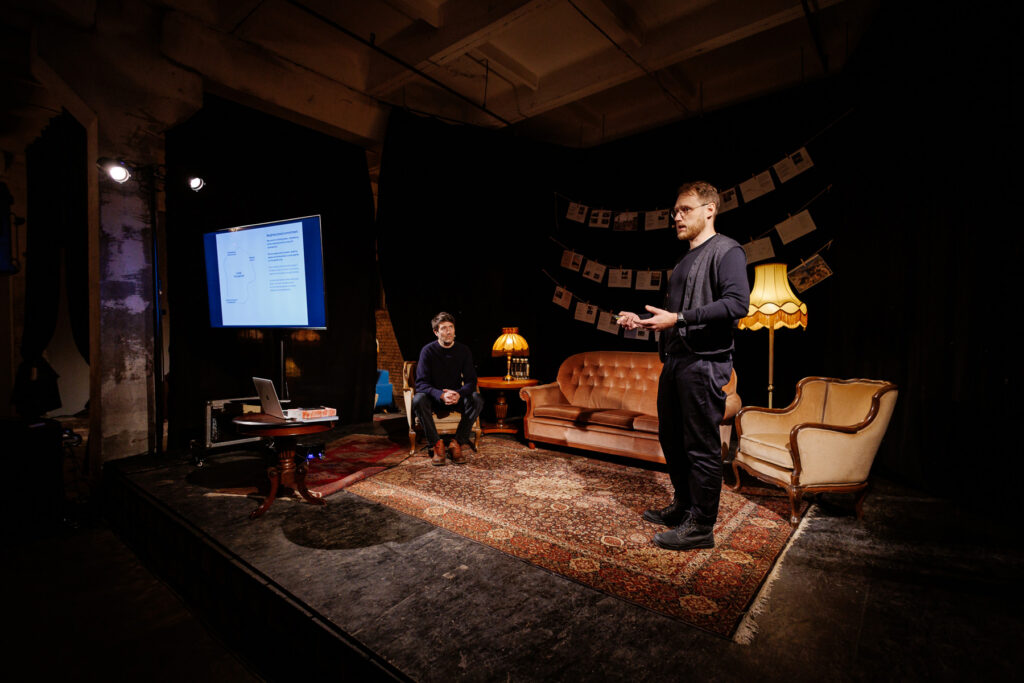
What’s inside?
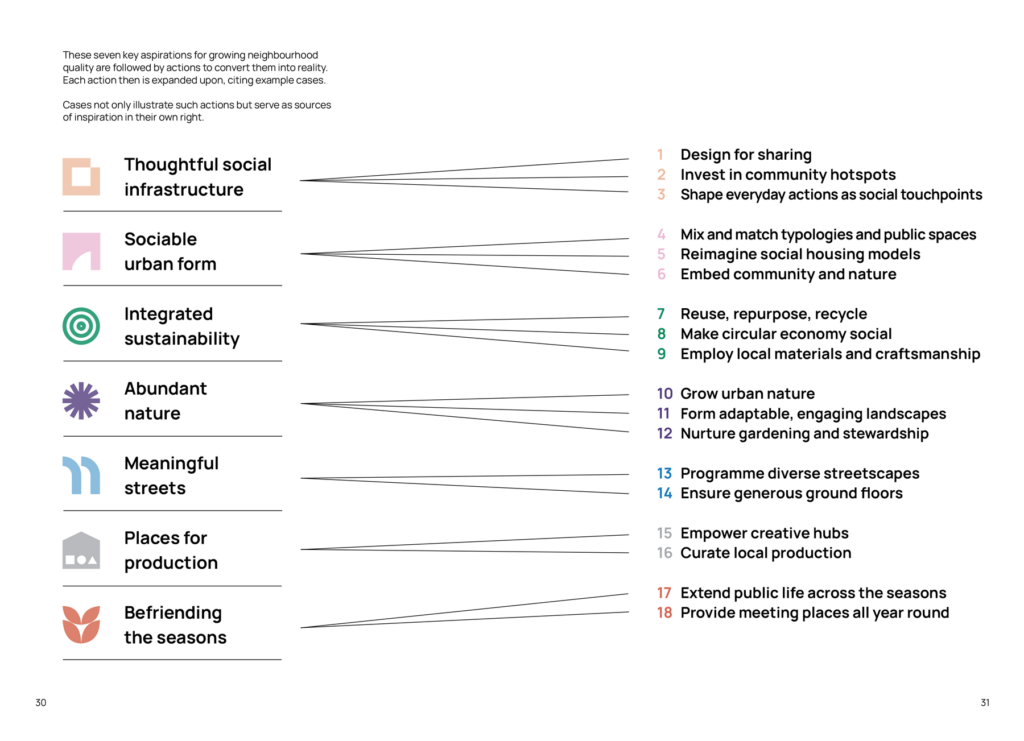
Rather than covering all aspects of urban development at once, the playbook focuses on neighbourhood quality – on how public space, social infrastructure and everyday life can grow together with physical planning.
It brings together 18 concrete steps, supported by examples from the Nordic region and beyond. For instance, how to design space so that shared use is built in from the start, not as an addition, but as the starting point. How to turn everyday activities, like going to the shops or commuting, into opportunities for social interaction. How to shape urban space that accounts for the Nordic climate and invites people outside even in colder months. And how to grow urban nature so that it functions as a real part of the neighbourhood, not just a backdrop.
Grounded in Hundipea, designed for broader use
The playbook draws on the Hundipea case but is meant for everyone involved in shaping neighbourhoods – architects, planners, developers, public sector professionals, community leaders and others.
The questions it attempts to answer are not only Hundipea’s questions. They come up wherever urban space is being shaped.